By the K-Pulso team · Published
A photocard (포토카드), called PC or 포카 (poka) by fans, is a small card with a photo of an idol, about the size of a credit card. They come inside physical albums and are one of the biggest drivers of K-pop collecting.
Why they come in albums
A K-pop album isn’t just a record: it’s a collectible. Inside the box there’s usually a photo book, a poster or postcard, and almost always one or more photocards. Each album comes with a fixed number of cards, but nobody knows which ones they’ll get: they’re distributed at random across all the versions of the record.
That randomness explains a lot of the phenomenon. Fans look for the member they like most, their bias, and when they don’t get them, trading comes in. It also explains why the same record is sometimes bought several times.
Types of photocard
- Album photocard: the ones in the record’s box. Usually one per member per album version.
- Unit photocard: of a sub-unit or several members together, rather than a single one.
- POB (pre-order benefit): a gift card given when you pre-order the record from a specific store. Each store has its own, with its own design, and you can only get it by buying there.
- Lucky draw: a raffle when you buy at certain stores, with the chance to win special cards or ones that are harder to find.
- Event photocard: handed out at fansigns, concerts or official events.
- Merchandise photocard: come with official products like fan club memberships or season’s greetings kits.
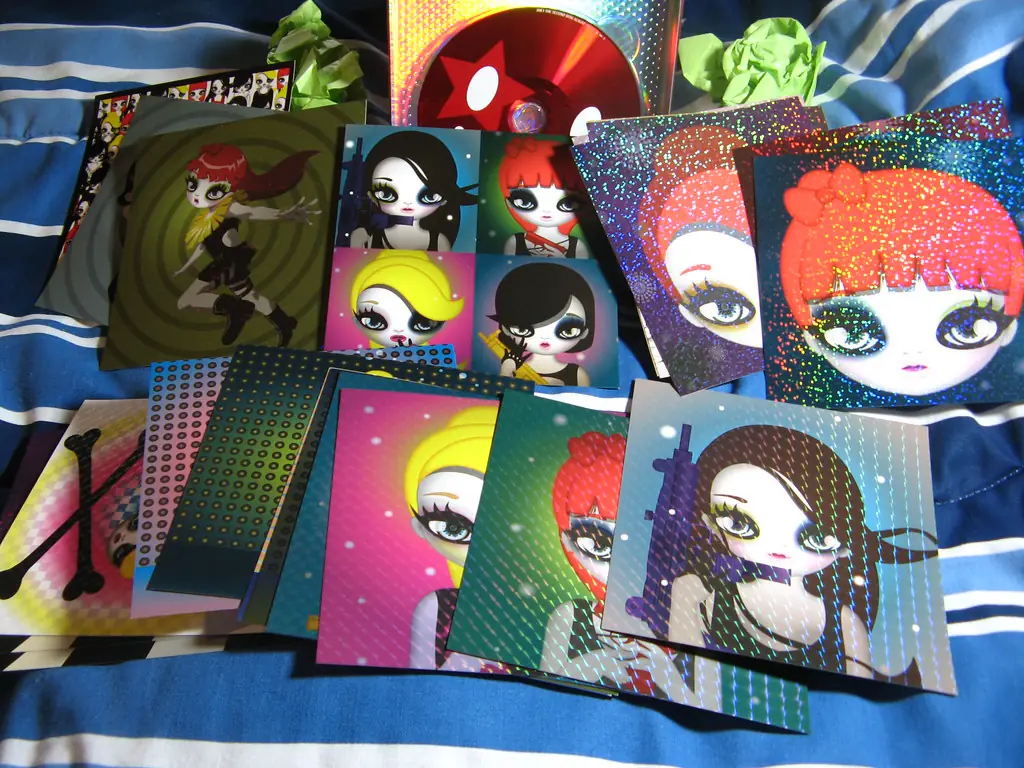
- Special-finish photocard: holographic, glittery or specially designed finishes. They’re usually the most sought after.
How to get them
The official route is to buy the group’s albums and products, and take advantage of POBs and events. To complete a collection, fans also trade with each other through communities and social networks. Before you do, there are a few things worth knowing.
- Trading (trade or WTT): swapping one card for another, common among fans with duplicates.
- Buying second-hand (WTS and WTB): prices depend a lot on the member, the record and how rare the card is. A few photocards reach very high prices.
- Watch out for fakes. Copies exist, especially of the most sought-after cards. Check the print quality, the paper and the back, and compare with photos of genuine cards.
K-Pulso doesn’t sell anything: this guide is information only.
Tips to avoid scams
- Ask for their own photos of the card, not screenshots taken from elsewhere, ideally with a note showing the date.
- Check the person’s track record: reviews from other fans, time in the community.
- Use payment methods with buyer protection and tracked shipping.
- Be wary of prices that are too good and of anyone rushing you.
- If you’re a minor, always involve a trusted adult before buying or trading with strangers.
How to look after your photocards
- Keep them in individual sleeves and, for more protection, in a toploader, which is a rigid case.
- To display them, a binder (a folder with card pockets) is the most convenient.
- Avoid direct sunlight and damp, which fade and warp the paper.
- Handle them by the edges: fingerprints show, especially on glossy finishes.
- Don’t stick them down with tape or glue directly on the card.
Basic vocabulary
- Bias: a group’s favorite member.
- Sleeve: a thin, clear cover for a card.
- Toploader: a rigid plastic case.
- Binder: a folder with pockets for collecting.
- Pull: what you get when you open a record, as in “pulling my bias”.
- Trade: swapping one card for another.
- Set: the complete set of cards from a record or a version.
If you want more K-pop terms, there’s the K-pop dictionary. And to know when the next records are out, check the upcoming comebacks, or read what a comeback is.